Loading...

About examinations

Learn what an MRI exam looks like, how long it takes, and how to prepare.

What does an examination at Mag-Medica look like?

Arrival and preparation

The patient arrives at the scheduled time, brings existing documentation, and receives brief instructions.

Examination

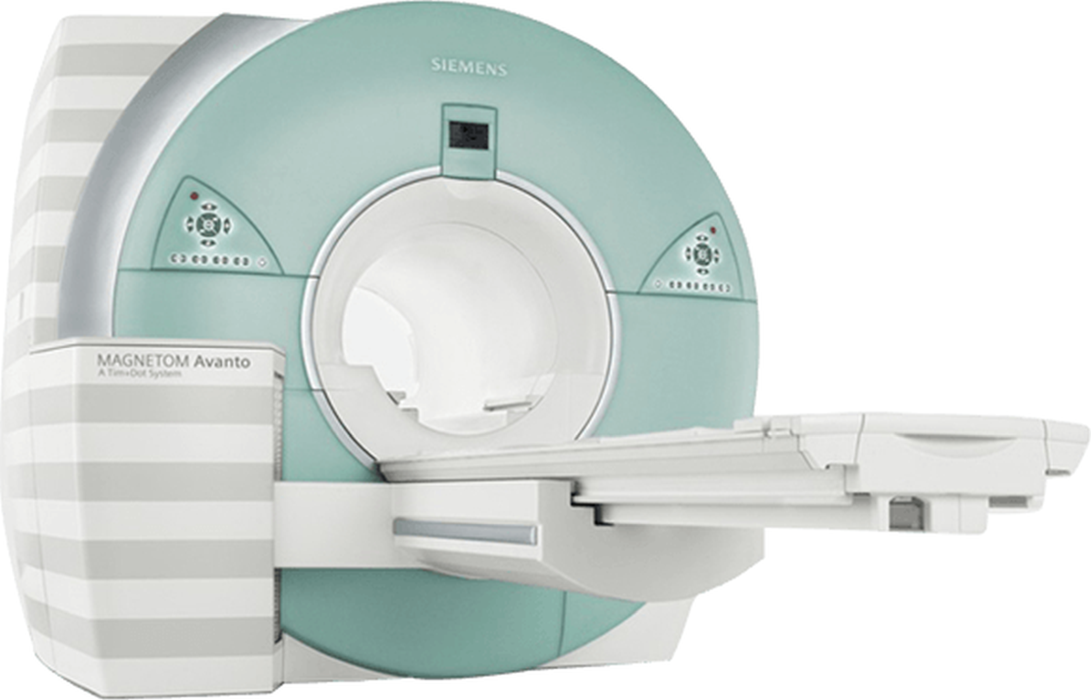
The exam lasts 10–30 minutes depending on the region. Imaging is painless and radiation-free.

AI software

Advanced AI software enables shorter scan times and better image quality.

Report

You receive an accurate and reliable report within 48 hours, with the option to consult a radiologist.

Services we offer

We offer a wide range of MRI examinations for different parts of the body, using state-of-the-art equipment and technology. Examinations are completely painless and radiation-free, and are recommended for various conditions, injuries, and the need for precise diagnosis and treatment.

Neuroradiology

Head MRI

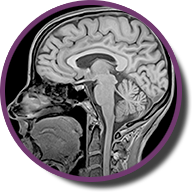
MRI of the brain provides an extremely detailed view of brain structure and is one of the most important methods in neurology. It is particularly useful for diagnosing various neurological conditions and assessing brain changes.

Most common indications

  • frequent or unexplained headaches
  • dizziness or loss of balance
  • suspected stroke
  • multiple sclerosis
  • suspected brain tumour
  • epileptic seizures

Exam duration
15–25 minutes

Contrast
Given when needed, depending on findings or indication.

Placeholder
Placeholder

Head MRI + angiography + venography

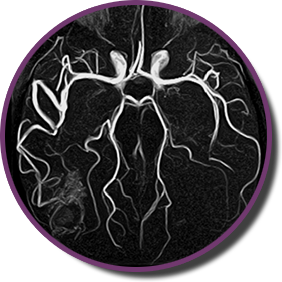
This exam combines standard brain MRI with visualization of arteries (angiography) and veins (venography) of the brain and neck. It allows detailed assessment of blood vessels and detection of vascular changes.

Most common indications

  • frequent headaches or dizziness
  • suspected aneurysm
  • suspected cerebral venous thrombosis
  • assessment of blood vessel narrowing

Exam duration
20–30 min

Contrast
When needed

Placeholder
Placeholder

Head MRI + orbits

This exam provides a detailed view of the eye sockets and eye structures.

Most common indications

  • visual disturbance
  • orbital tumour
  • eye injury
  • inflammatory eye disease

Exam duration
20–25 min

Contrast
When needed

Placeholder
Placeholder

Sinuses MRI

MRI of the sinuses provides a detailed view of the structure of the paranasal sinuses and soft tissues.

Most common indications

  • chronic sinusitis
  • headaches
  • suspected sinus tumour
  • infection complications

Exam duration
15–20 min

Contrast
When needed

Placeholder
Placeholder

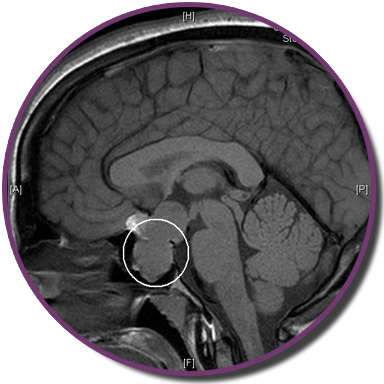
Pituitary MRI

MRI of the pituitary gland provides a detailed view of this small endocrine gland that controls the function of many hormones in the body.

Most common indications

  • hormonal disorders
  • elevated prolactin
  • suspected pituitary tumour
  • visual disturbance

Exam duration
15–20 min

Contrast
Used in the standard protocol.

Placeholder
Placeholder

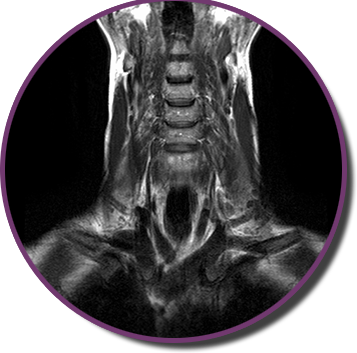
Neck MRI

Neck MRI provides a detailed view of the soft tissues of the neck, lymph nodes and blood vessels.

Most common indications

  • neck swelling or tumour
  • enlarged lymph nodes
  • neck pain or swelling
  • monitoring of malignancy

Exam duration
20–25 min

Contrast
Used in the standard protocol.

Placeholder
Placeholder

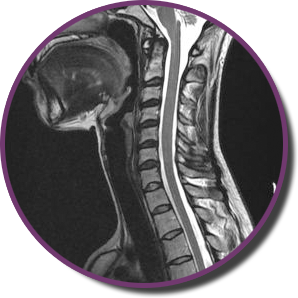
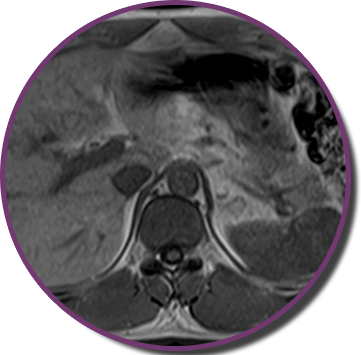
Spine MRI

Spine MRI provides a detailed view of the vertebrae, intervertebral discs, spinal cord and nerves. This method is the most precise for diagnosing spine-related problems.

Most common indications

  • back or neck pain
  • numbness in arms or legs
  • disc herniation
  • spine injury
  • suspected nerve compression

Spine segments

  • cervical segment (C)
  • thoracic segment (TH)
  • lumbar segment (LS)

Exam duration
one segment: 10–15 min
two segments: 15–20 min
full spine: 20–30 min

Contrast
Given when needed, most often for tumours or inflammatory changes.

Placeholder
Placeholder

Brachial plexus MRI

Brachial plexus MRI visualizes the nerve network that controls the arm and shoulder.

Most common indications

  • arm weakness or numbness
  • nerve injury
  • nervous system tumours

Exam duration
25–35 min

Contrast
When needed

Placeholder
Placeholder

Special examinations

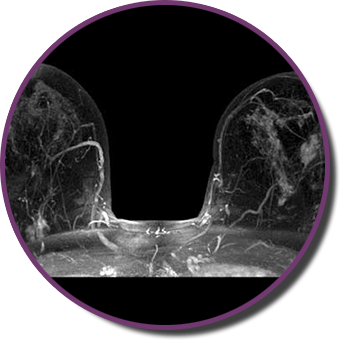
Breast MRI

Breast MRI provides an extremely detailed view of breast structure and is often used as a complement to mammography and ultrasound.

Most common indications

  • suspected breast tumour
  • assessment of cancer extent
  • post-surgery follow-up
  • unclear finding on ultrasound or mammography

Exam duration
20–30 min

Contrast
Used in the standard protocol.

Placeholder
Placeholder

Head MRI + spectroscopy

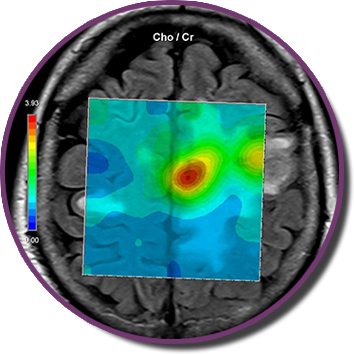
MR spectroscopy complements standard brain MRI with analysis of the biochemical composition of tissue. This method helps to better distinguish between different types of brain changes. This exam is performed by a medical physicist.

Most common indications

  • brain tumour assessment
  • differentiating benign and malignant changes
  • assessment of treatment effect

Exam duration
25–35 min

Contrast
When needed

Placeholder
Placeholder

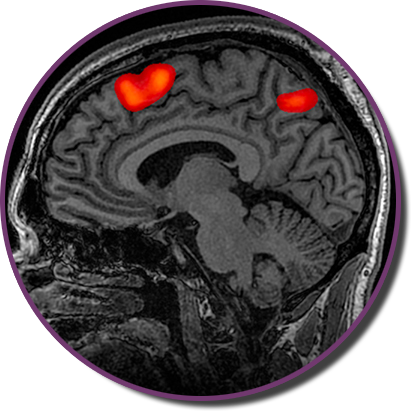
Functional MRI + tractography

This exam combines standard brain MRI with functional imaging and visualization of nerve pathways (DTI tractography). It is most often used in planning neurosurgical operations. The exam is performed by a medical physicist.

Most common indications

  • brain tumour surgery planning
  • epilepsy
  • assessment of functional brain areas

Exam duration
40–60 min

Contrast
When needed

Placeholder
Placeholder

Musculoskeletal system

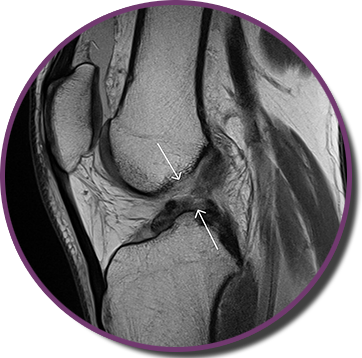
Knee MRI

Knee MRI provides a detailed view of the knee joint, including the menisci, ligaments, cartilage and bones. It is most commonly used for sports injuries and knee pain.

Most common indications

  • knee pain
  • sports injuries
  • meniscus injury
  • ligament injury
  • joint swelling or locking

Exam duration
15–20 minutes

Contrast
Not used in routine protocol; given only in special situations.

Placeholder
Placeholder

Musculoskeletal MRI

Musculoskeletal MRI provides a detailed view of bones, joints, ligaments and muscles. It includes examinations of joints such as knee, hand, ankle, hip, shoulder, elbow, forearm, lower leg.

Most common indications

  • sports injuries
  • joint pain
  • ligament tears
  • muscle injury

Exam duration
15–25 min

Contrast
When needed.

Placeholder
Placeholder

Temporomandibular joint MRI

MRI of the jaw joint provides a detailed view of the disc and joint structures.

Most common indications

  • jaw pain
  • joint clicking
  • limited mouth opening

Exam duration
15–20 min

Contrast
Usually not required

Placeholder
Placeholder

Sacroiliac joint MRI

MRI of the sacroiliac joints is used to diagnose inflammatory spine conditions.

Most common indications

  • chronic low back pain
  • suspected ankylosing spondylitis
  • inflammatory rheumatic diseases

Exam duration
15–20 min

Contrast
When needed

Placeholder
Placeholder

Body imaging

Abdomen MRI

Abdomen MRI provides a detailed view of the liver, pancreas, kidneys and other abdominal organs.

Most common indications

  • liver changes
  • liver cysts or tumours
  • pancreatic disease
  • unclear findings on ultrasound or CT

Exam duration
30–40 minutes

Contrast
Included in exam protocol

Preparation
4 hours fasting

Placeholder
Placeholder

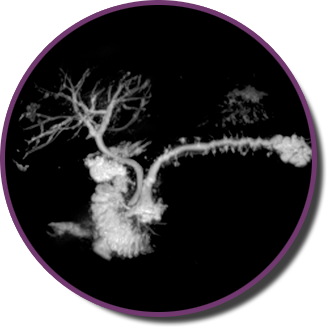
Abdomen MRI + MRCP

MRCP provides a detailed view of the bile ducts and pancreas along with standard abdomen MRI.

Most common indications

  • gallstones
  • bile duct narrowing
  • pancreatic disease
  • liver changes

Exam duration
30–40 min

Contrast
Used in the standard protocol.

Note
4 hours fasting before the exam.

Placeholder
Placeholder

Pelvis MRI

Pelvis MRI provides a detailed view of the pelvic organs. In women it includes the uterus and ovaries. In men it includes the prostate and bladder.

Most common indications

  • pelvic pain
  • suspected tumour
  • gynaecological disease
  • urological disease

Exam duration
20–30 min

Contrast
When needed

Placeholder
Placeholder

Multiparametric prostate MRI

Advanced MRI of the prostate that combines several MR techniques for more precise diagnosis of prostate cancer.

Most common indications

  • elevated PSA
  • suspected prostate cancer
  • biopsy planning
  • treatment follow-up

Exam duration
30–40 min

Contrast
Used in the standard protocol.

Placeholder
Placeholder

MR fistulography

MR fistulography provides precise visualization of fistulous tracts and their relationship to surrounding structures.

Most common indications

  • perianal fistulae
  • recurrent infections
  • surgical intervention planning

Exam duration
20–30 min

Contrast
Used in the standard protocol.

Placeholder
Placeholder

Thorax MRI

Thorax MRI provides visualization of the organs of the chest cavity and soft tissues.

Most common indications

  • chest tumours
  • mediastinal changes
  • blood vessel assessment

Exam duration
20–30 min

Contrast
When needed

Advanced AI technology for MRI

At our practice we use modern AI software for processing MRI images, enabling faster scanning with high image quality. AI technology reduces noise and artefacts on images, making it possible to obtain very high-quality images even with shorter scan times. That means less time in the scanner and greater comfort for patients.

It is important to note that AI is used solely to improve image quality, while all medical decisions are made by the radiologist.

Example of reduced exam time

Exam Standard With AI
Head MRI 25 min 15 min
Spine MRI 35 min 20 min
Knee MRI 20 min 12 min

Example of improved image quality

AI reconstruction reduces noise and improves image clarity

Standard MRI
AI reconstruction

Have questions about MRI?

Questions patients ask most often

Does MRI use radiation?

MRI does not use ionizing radiation. The examination is completely safe.

How long does the examination take?

The examination takes 10–30 minutes depending on the region.

View all questions

Need an MRI scan?

Call us or book an appointment.

021 472 9970 BOOK APPOINTMENT